The Heart of the Matter: What Does Data Show Us?
Every day, healthcare professionals face choices that could profoundly impact patient outcomes. Did you know that only 30% of hospitals effectively monitor blood collection processes? This is particularly concerning when considering the implications of using single blood collection bags for safe procedures. These bags are not just containers; they are essential tools that ensure sterile and efficient blood collection. Improper use or flawed designs can lead to patient safety incidents—a risk nobody wants to take.
Recognizing the Flaws in Traditional Solutions
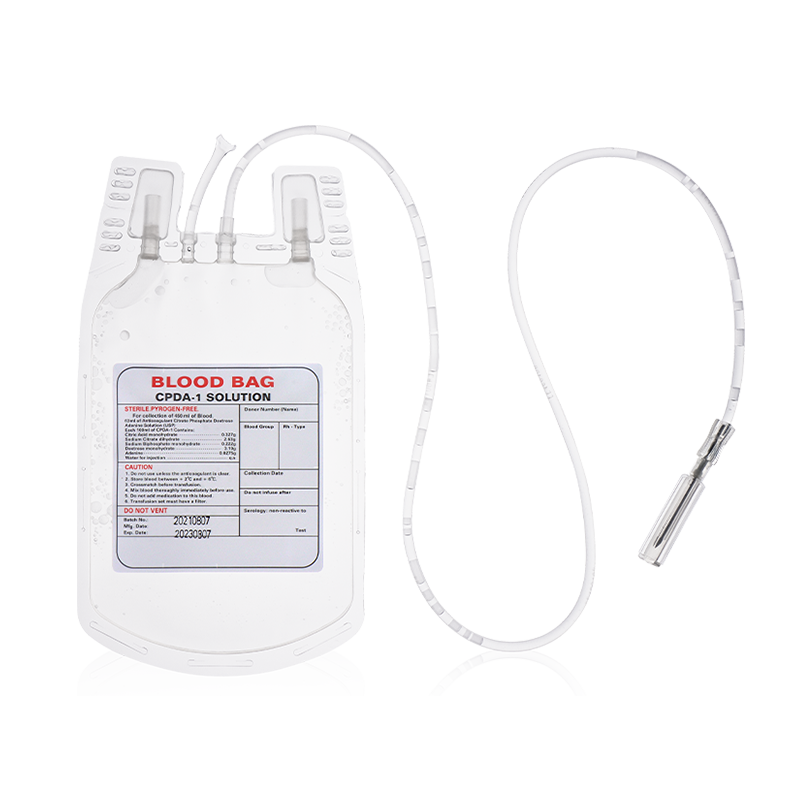
In my years working alongside healthcare professionals, I’ve seen how traditional blood collection methods create unnecessary hurdles. For instance, multi-bag systems often result in wasteful blood transfers, heightening the chances of contamination. With single blood collection bags, specifically the cpda-1 single blood bag, healthcare facilities can significantly minimize these risks. The design simplifies the collection process while maximizing integrity, which is crucial for effective patient management. Let’s face it—who wants to risk a mix-up when lives are at stake?
Why Choose Single Blood Collection Bags?
When assessing blood collection solutions, we must prioritize safety and efficiency. Single blood collection bags are specifically designed with one compartment to eliminate cross-contamination risk. The industry-standard blood collection bags with anticoagulant provide a sterile environment for blood storage. In the long run, this can lead to better health outcomes.
What’s Next in Blood Collection Innovations?
Looking ahead, I believe that the embrace of modernized blood collection systems will become the norm. Hospitals will increasingly adopt single blood collection bags that feature integrated technologies for tracking and data management. Imagine a system where each bag is equipped with RFID tags for real-time monitoring. This advancement would enhance not only safety but also empower healthcare professionals with actionable data. Isn’t that incredible?
Concluding Thoughts: The Future of Blood Safety
Reflecting on my experiences, I see a clear path toward a safer and more efficient blood collection process through innovations like single blood collection bags. Here’s a takeaway: when choosing a blood collection solution, consider evaluating three key metrics—contamination rates, user training efficiency, and tracking capabilities. By focusing on these areas, you can make a more informed decision that could save lives. To learn more about quality blood collection options, visit WEGO Medical. Together, let’s make healthcare safer!