Introduction
Have you ever paused and asked why a simple product like a wet wipe can hide so many production headaches? I recently visited a mid-size facility and watched a wholesale wet wipe production line run; the scene felt orderly until the tiny glitches started to stack up. (Factory workers nodded — polite, precise, but tired.) Industry data points to steady demand for convenience products, and yet many manufacturers tell me throughput and cost control remain stubborn problems. So: what exactly is getting in the way of smoother, cheaper production?

I write this as someone who has walked factory floors and talked to plant managers; I want to share what I learned in plain terms. We will look at the faults built into traditional setups, surface the hidden pains operators live with day-to-day, and then point toward choices that actually improve outcomes. Please read on — the next parts dig into the details.
Where the Traditional Approach Fails (and Why Operators Hurt)
If you are comparing options, start by checking the wet wipes machine price early in your assessment; cost is a visible variable, but it hides many invisible ones. I want to be direct: many factories buy on sticker price and regret it later. The old model assumes steady input and manual tweaks will fix deviations. That rarely holds. Key hardware — servo motors, PLC control, and the rewinder — all interact in ways buyers underestimate. I have seen a cutting die misaligned for weeks before someone noticed. Look, it’s simpler than you think: small misalignments compound into big waste. — funny how that works, right?
Why do maintenance and cost creep stay hidden?
The technical answers are practical. Older lines often lack modularity; a failed lamination unit can stop an entire cell. Spare parts take time to source. Operators patch faults with band-aid solutions — extra staff, manual trimming, or slower speeds. These stop-gap moves raise labor and scrap costs. From my conversations, two pain points repeat: unpredictable downtime and opaque total cost of ownership. You pay less up front but more for emergency repairs, lost batches, and the extra time spent by quality inspectors. That pattern explains why some teams feel trapped by their initial purchase choice.
The Road Ahead: New Technology Principles and Practical Criteria
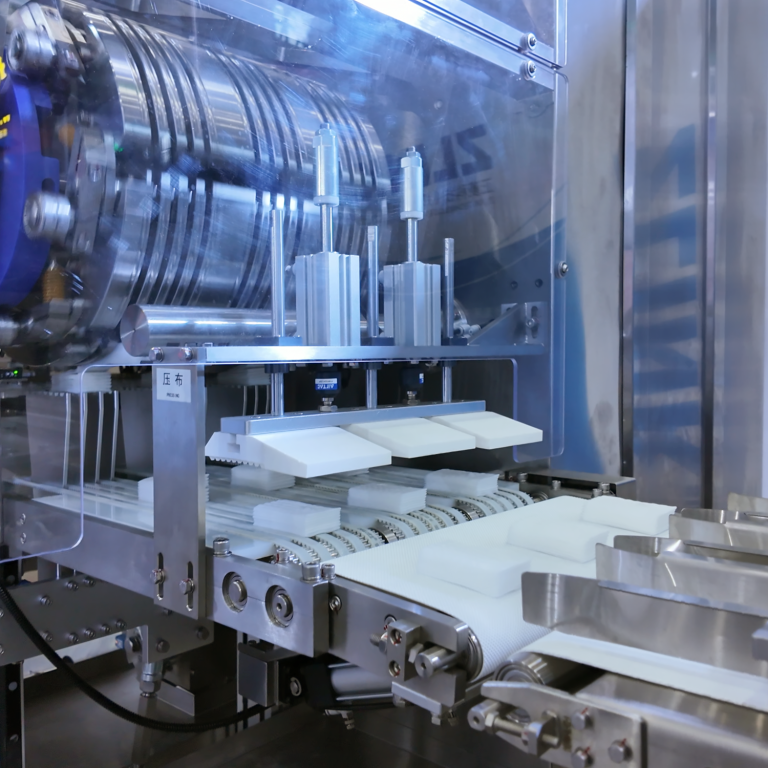
What follows is forward-looking. I want to explain a few new technology principles that matter when you evaluate a machine — not just its wet wipes machine price. First: modular control. Modern lines split functions so a failed module (say, an air knife or lamination unit) can be isolated and swapped quickly. Second: smarter electronics—edge computing nodes and robust power converters—allow local diagnostics that cut troubleshooting time. And third: design for maintainability; accessible bearings and standard fasteners reduce mean time to repair. I’m not selling a dream here. I’ve seen plants drop downtime by 30% simply by choosing modular designs.
What’s Next?
Adopting these principles does require a step back to evaluate needs. Will you prioritize uptime, throughput, or the lowest initial spend? My advice: balance them. Consider the following three metrics when you evaluate any supplier or line (I use these in my own shop visits):
1) True uptime potential — measured over a quarter, not a single shift. 2) Serviceability score — how fast can a trained technician replace a module or get a spare part on site? 3) Lifecycle cost per million wipes — include energy, spare parts, labor, and scrap. These metrics force a conversation beyond the quoted price and expose long-term value. Well, here’s the rub: a cheap machine can cost you more in a year than a better one costs in five.
To close, I recommend making decisions with both head and gut. Visit production lines, talk to operators, and test common failure modes yourself. I know it sounds hands-on — that’s intentional. If you want a reliable partner to discuss options or walk a line with you, consider a direct conversation with manufacturers; they often reveal practical details not in brochures. For further reference, I have found that vendors who document service intervals and spare-part lists tend to be more honest about real costs. In that spirit, I leave you with one practical step: collect the three metrics above for any contender and compare them side by side — you’ll see the true difference. ZLINK