Introduction: A Morning on the Line
I was called in once on a Monday when the whole shift looked like it had slept in the machine room—tired faces, half-full pallet racks, and a stuck metering pump. The client was running a wholesale wet wipe production line that should have been humming but instead stopped three times before lunch. Industry reports show downtime eats up as much as 15–20% of planned output on average, and small fixes often save tens of thousands in lost revenue. So what are the fixes that actually work, and where should you start?
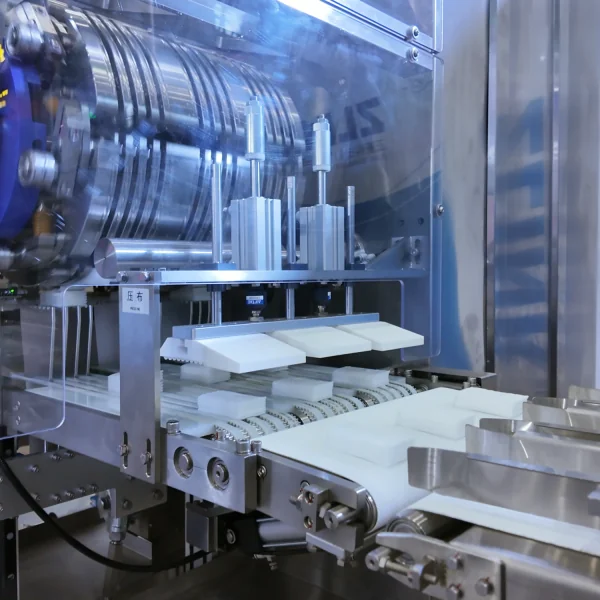
I want to help you cut straight to the trouble spots. I’ll point out the weak links I see most often—things like faulty PLC settings, poor roll slitting practices, and mismatched servo motor sizing—and I’ll explain the trade-offs (yes, there’s always a trade-off). By the end of this piece you’ll have a clear checklist to test on your next line audit. Let’s move on and look under the hood.
Part 2 — Why Traditional Fixes Fail: The Cost Trap Around wet wipes machine price
wet wipes machine price often becomes the starting and stopping point in procurement meetings, but pricing alone hides more than it reveals. I’ve seen teams pick a lower-priced unit only to face recurring issues: excessive scrap, frequent sensor faults, and repeated downtime. When buyers focus on headline cost, they miss integration costs—PLC tuning, lamination setup, and spare parts for brushless motor drives. Those hidden costs pile up. Look, it’s simpler than you think: buy cheap, pay twice in labor and lost product.
What common flaws are hiding here?
First, vendors sometimes under-specify the servo motor and gearbox to shave off price. That saves money up front but creates torque and registration problems on high-speed runs. Second, roll slitting quality gets overlooked; a single miscut roll can jam the folding module. Third, automation integration is often treated as an afterthought—edge computing nodes and PLC logic aren’t bundled into the price, but they determine run stability. I recommend we test a machine under production load and track three KPIs: uptime, scrap rate, and changeover time. If one falls short, the cheap machine becomes an expensive lesson—funny how that works, right?
Part 3 — Forward-Looking Options and a Practical Checklist
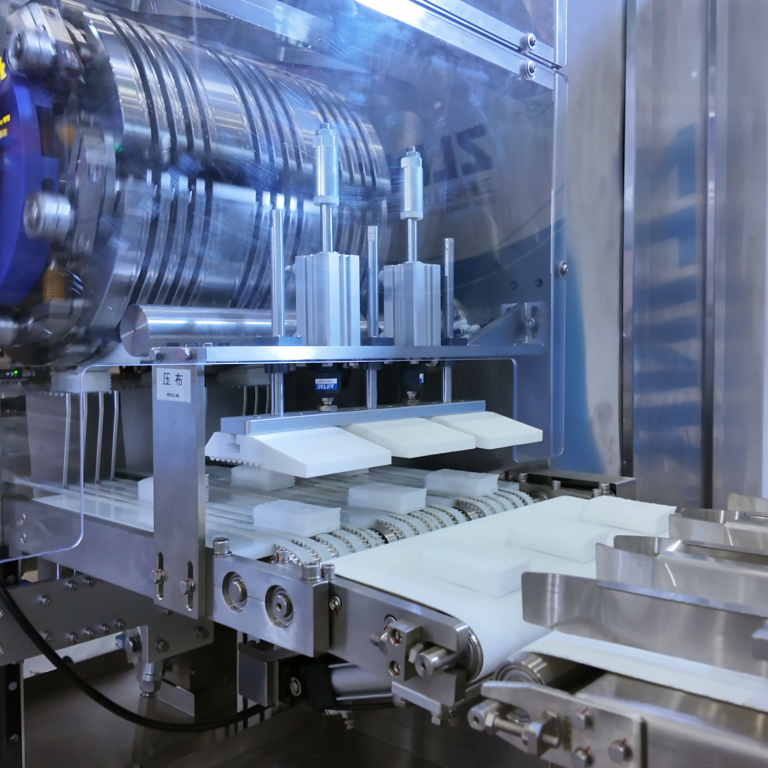
Looking forward, I lean toward well-balanced choices rather than headline bargains. Consider a machine whose quoted wet wipes machine price includes baseline PLC recipes and a spare parts kit. That reduces ramp-up time and gives you predictable costs. In trials I’ve run, machines with integrated lamination control and properly sized power converters deliver fewer line stops and steadier web tension. That matters when you scale. — and yes, I mean that literally.
What’s Next: Practical rollout steps
Start with a pilot day on a candidate line. Run a full-shift test with your most challenging SKU. Measure downtime, count jams, and log operator interventions. Next, compare vendors not just on list price but on integration scope: do they include PLC recipes, training, and spare sensors? Finally, factor long-term service: how quickly can they dispatch a field tech, and do they offer remote debugging for your edge devices?
To close on something actionable—I’d evaluate solutions using three clear metrics: 1) Total Cost of Ownership over 24 months (include spare parts and labor), 2) Mean Time Between Failures under real SKUs, and 3) Changeover speed with your most common formats. Those numbers tell you more than any spec sheet. I’ve used this approach many times and it narrows the guesswork. If you want a single place to start, review the integration items in the wet wipes machine price quote and ask for a live demo.
Thanks for reading—I’m happy to walk through your line checklist or review quotes with you. For practical sourcing and reliable after-sales support, consider checking the manufacturer details at ZLINK.