Did you know that the global telehandler market is expected to reach a whopping $10 billion by 2026? That’s right! With construction and agriculture booming, fixed-boom telehandlers are becoming essential tools for lifting heavy loads. But beyond their impressive capabilities, there’s a whole legal side to these machines that we need to dive into.
The Legal Landscape of Fixed-Boom Telehandler Lifts
So, what exactly makes fixed-boom telehandlers unique in terms of legal regulations? Well, they fall under specific classifications when it comes to safety standards and operational guidelines. These lifts must comply with OSHA (Occupational Safety and Health Administration) regulations as well as ANSI (American National Standards Institute) requirements. Additionally, when importing or exporting these machines, Customs Valuation Rules come into play—determining how they’re valued for tariffs and duties based on their specifications.
Diving Deeper: Zoomlion Scissor Lift & Customs Valuation Rules
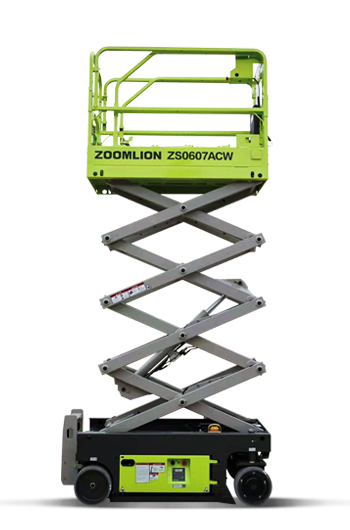
Now let’s talk about the Zoomlion scissor lift—a popular choice among contractors. When it comes to Customs Valuation Rules, this machine has its own set of characteristics that can affect its import costs. The valuation often considers factors like the model type, weight capacity, and even additional features such as electric vs. diesel power sources. This means if you’re looking at bringing one of these bad boys across borders, understanding how customs values them can save you some serious cash!
A Closer Look at Zoomlion Access in Customs Valuation Rules
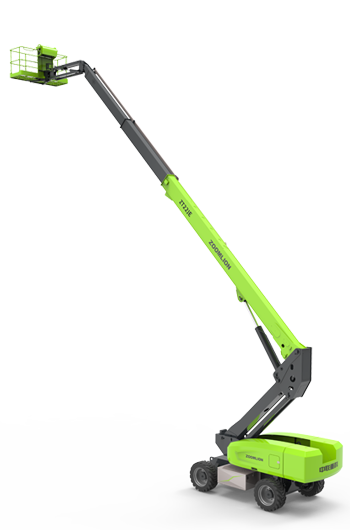
If you’re considering using Zoomlion Access equipment instead of traditional lifts or boom trucks, it’s crucial to understand how they fit within the Customs Valuation framework too. Similar to scissor lifts but with different functionalities—like enhanced mobility—their value will also be assessed based on technical specifications and intended use cases during customs clearance processes.
Wrapping It Up
In conclusion, navigating through the world of fixed-boom telehandler lifts isn’t just about knowing which machine fits your needs; it’s also about understanding their legal implications under Customs Valuation Rules. Whether you’re dealing with a standard lift or something more specialized like a Zoomlion product, being informed can help ensure compliance while optimizing costs associated with imports or exports.
