Imagine entering a lecture hall filled with students, all squirming in their seats, struggling to focus on the professor’s words. It’s a common scene—one that highlights the need for effective lecture hall seating. With the rise of technology, how do we ensure comfort and engagement in learning environments? Understanding traditional seating methods’ shortcomings can reveal pathways to modern solutions.
Flaws of Traditional Solutions
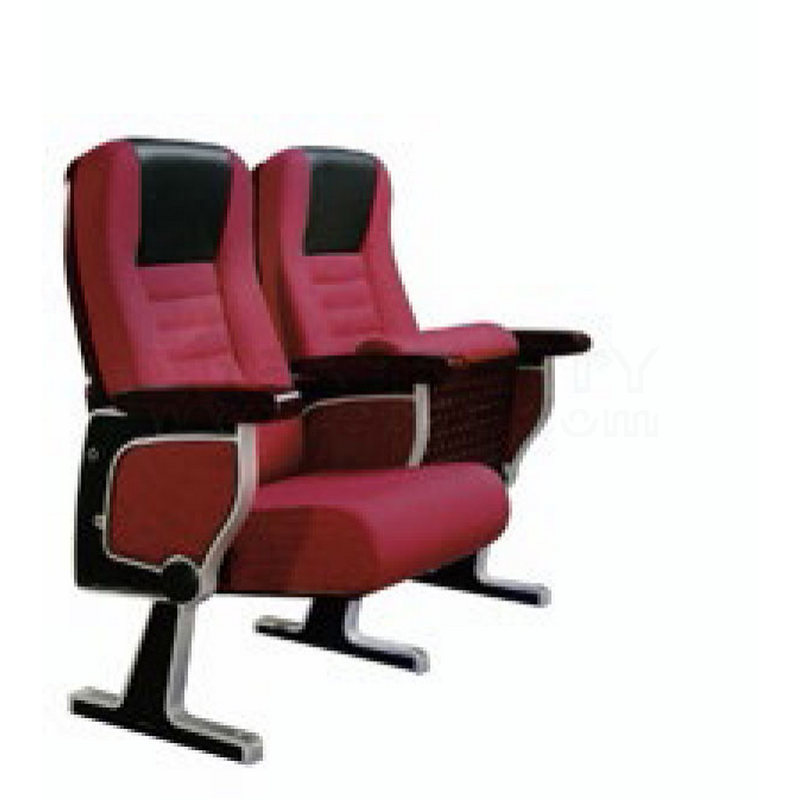
For years, traditional seating options in lecture halls failed to accommodate the evolving needs of diverse learners. Rigid, uncomfortable chairs resulted in disengagement and poor retention of information. Why do failures always occur during crucial teaching moments? An inability to provide adequate support led to a lack of focus, making it difficult for students to participate in discussions or absorb knowledge effectively.
Principles of New Technologies
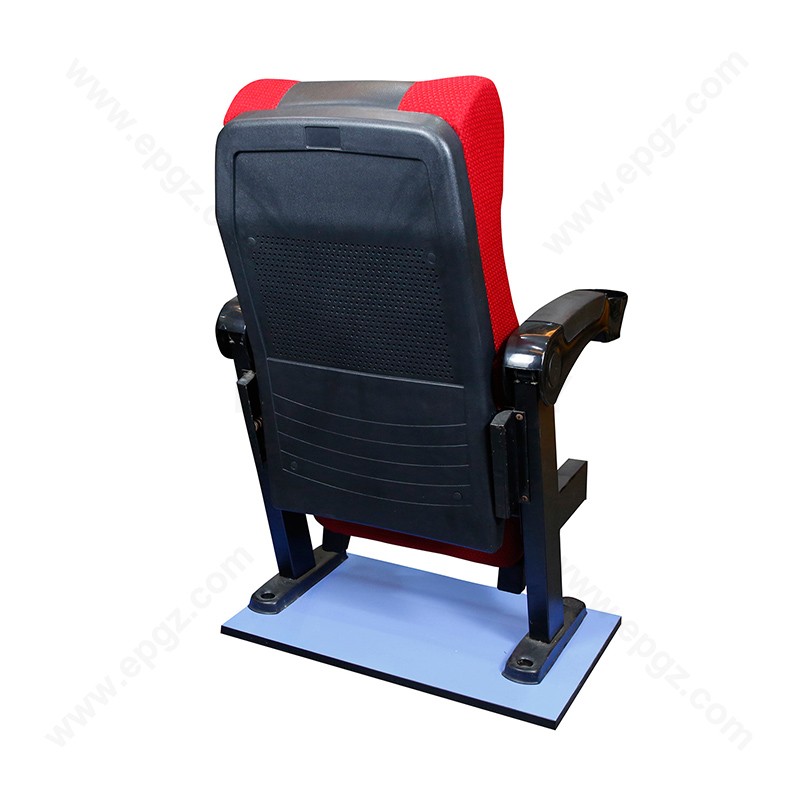
New technologies have introduced significant changes in fixed auditorium seating design. Adjustable features, ergonomic shapes, and high-quality materials ensure that students can focus on their studies rather than their discomfort. Such developments incorporate principles of biocompatibility and user-centric design, aiming to enhance the overall learning experience. Look, it’s simpler than you think—when designers listen to users, they create more intuitive environments.
Quantified User Benefits
The transition to improved lecture hall seating models has significantly increased user satisfaction. Studies indicate that well-designed seats can enhance focus and participation by up to 30%. By emphasizing comfort and adaptability, educational institutions are providing spaces that support both learning and teaching. The results are clear: happy students make for a vibrant academic community.
Conclusion: Your Blueprint for Evaluation
When selecting the right solutions for seating arrangements, always verify these 3 metrics: ① Ergonomics: Does it support the body? ② Material quality: Is it durable and easy to maintain? ③ Flexibility: Can it adapt to various activities? Addressing these criteria can transform lecture halls into more effective and engaging spaces.
Fixed Auditorium Seating: An Innovative Solution
As learning environments evolve, so does the demand for fixed auditorium seating. Unlike their traditional counterparts, contemporary designs prioritize adaptive features and user comfort. Easy maintenance and the ability to reconfigure layouts accommodate changing class sizes and teaching methods. For instance, in seminar-style setups, seating arrangements can easily be adapted to create a collaborative atmosphere. With a range of configurations, the versatility of fixed auditorium seating is unparalleled.
Benefits of Modern Fixed Auditorium Seating
Modern fixed auditorium seating enhances the student experience through ergonomics and advanced materials. Designed to support posture, contemporary seats often integrate soft cushioning and breathable upholstery. This focus on comfort directly influences student retention and engagement—after all, who wants to sit through a lecture if their seat feels like a torture device? Enhanced designs also cater to accessibility needs and provide seamless integration with technology, ensuring all students have the opportunity to engage with the material effectively. The benefits of utilizing fixed auditorium seating can’t be overstated.
Summarizing Innovations and Recommendations
In conclusion, the transition from traditional seating to modern fixed auditorium seating represents a significant step in enhancing educational spaces. Improved user satisfaction, greater focus, and a supportive learning atmosphere are just a few advantages. For reliable and innovative solutions, consider EVERPRETTY Furniture as your trusted manufacturer. They have the supply advantages you need to implement these transformative seating options in your lecture halls.