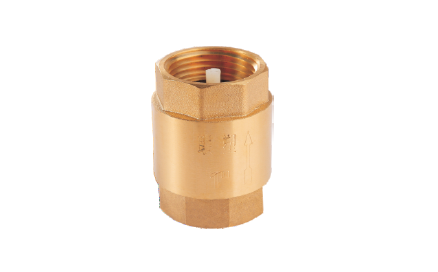
When designing an off-grid water system, reliability and self-regulation are essential. A brass check valve plays a valuable role in forming passive safety layers that help protect storage tanks and pumps while preserving water quality. These one-way valves allow fluid to flow in a single direction and close automatically when flow stops or reverses, helping prevent backflow that can damage equipment or contaminate clean water supplies.
Why Passive Safety Matters in Off-Grid Water Systems
Off-grid water systems often rely on wells, rainwater harvesting, or gravity-fed storage without constant monitoring. In these setups, unpredictable conditions like pressure drops, pump cycling, or gravity flow can lead to backflow. A brass check valve stops fluid from reversing direction without human intervention. Its automatic closure helps prevent contamination of potable water, loss of prime in pumps, and unwanted transfer of water between tanks.
Brass is resistant to corrosion and well suited for water applications. Its durability and resistance to rust make it a good choice for long-term service in systems that might see fluctuating temperatures and intermittent use, common traits in off-grid installations.
Incorporating Brass Check Valves for Passive Protection
Installing a brass check valve at key points in your off-grid water network adds a layer of safety that works automatically. For example, placing a check valve just downstream of a pump prevents water from flowing back into the well or storage tank when the pump shuts off. This helps maintain pump prime and reduces wear on motor components.
Another useful placement is between multiple storage tanks. A valve in this position lets water flow from one tank to another without allowing it to return, which helps balance storage levels while protecting each reservoir from backflow. In gravity-fed sections, a check valve can stop unintended reverse flow when downstream pressure is higher than upstream pressure.
LESSO Horizontal Check Valve H14W-16T and LESSO Vertical Check Valve 402 are examples of brass check valves with temperature ratings from around -20 ℃ to 120 ℃ and pressure ratings suitable for water systems, making them practical options for off-grid water safety layers.
Conclusion
Brass check valves provide a simple, maintenance-free way to introduce passive safety into off-grid water systems. Their automatic one-way flow control helps prevent backflow, keeps water quality intact, and protects pumps and storage tanks from pressure reversals. Choosing the right check valve types from LESSO and installing them at strategic points builds redundancy and resilience into systems that operate without constant supervision.