Introduction — a small shop scene, a bigger worry
I was in a cramped workshop one Friday afternoon, watching a thin silver sheet curl under the laser and the same old smell roll out like a stubborn guest who won’t leave. The workshop relied on a laser cutter fume extractor that hummed loudly but still let VOCs and soot whisper through the vents — not good. Across small shops and makerspaces, studies show that poor fume control raises indoor particulate levels by several times the safe limit in minutes; so what do we do when the extractor is not enough? (We ask this because we care about people, tools, and the long run.)
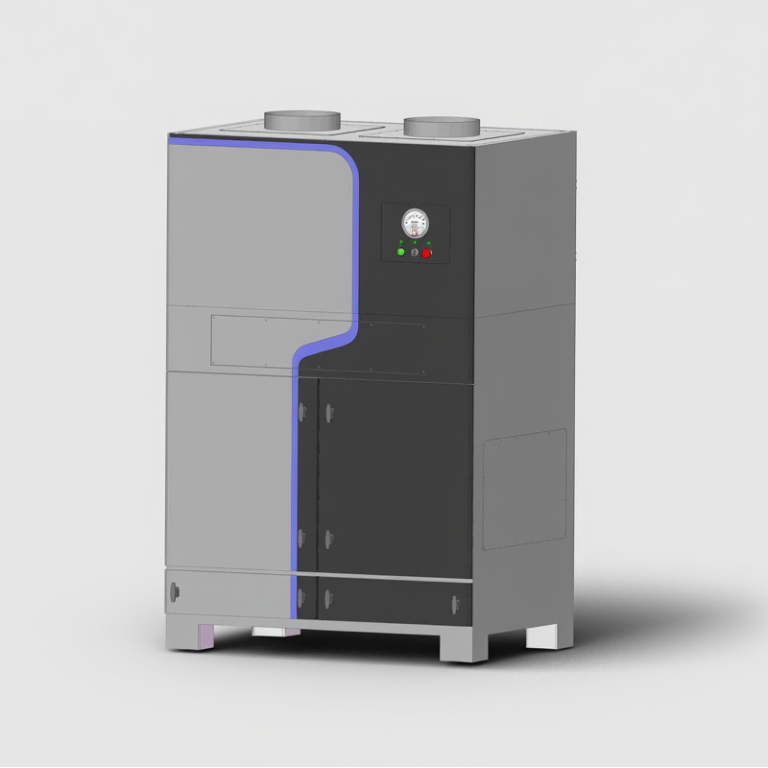
Let me say plainly: I’ve seen neat setups fail because of one tiny oversight. We tune the beam, we pick the right speed, but then we forget the airflow balance. In this piece I’ll walk you through the real trouble spots and practical fixes — but first, let’s look under the hood and see why familiar solutions stumble. Next, we dig into design flaws and hidden pains that users live with daily.
Deeper Layer: Where Traditional Solutions Break Down
dust collector for laser cutting machine often gets sold as a one-stop answer — a single box that will cure smoky workspaces. In practice, though, many setups fail because vendors and users assume nominal specs (CFM, static pressure) translate directly to performance. They don’t. I’ve measured systems with decent-rated fan motors but poor ducting and seen airflow drop by half. The technical truth: pressure losses, improper duct runs, and clogged HEPA filter stages kill real-world extraction. Look, it’s simpler than you think — small details add up.
Common pain points hide in plain sight: undersized ducting that raises static pressure, filters chosen only by price, and missing pre-filters that let oily smoke coat the HEPA surface. Add in absent VOC sensors and you have operators unsure when to change filters. For workshops, these are not abstract terms — they are the reasons people sometimes open a window and call it fixed. The result? Particle counts bounce back within minutes. — funny how that works, right?
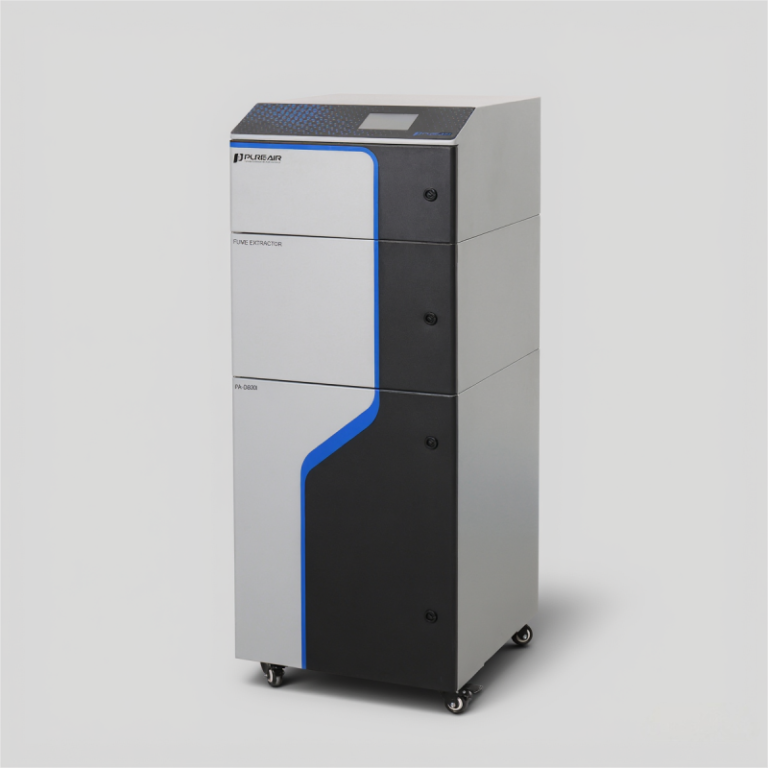
So what are we missing?
We miss system thinking: matching fan curves to duct length, using activated carbon for gases, and planning maintenance intervals based on real sensor data instead of a calendar. These are not glamorous topics, but they save lungs and machines.
Looking Ahead: Principles and Practical Technology
When I think about the next step, I focus on principles that actually translate to better days in the shop. First, design for balanced airflow: pick a fan that meets your needed airflow rate at the static pressure of your actual ducting. Second, layer your filtration — coarse pre-filter, HEPA for particulates, and activated carbon for VOCs. Third, add monitoring: simple VOC sensors or differential pressure gauges tell you when the system is struggling. Using a proper dust collector for laser cutting machine that supports modular filters makes upgrades painless.
In practice, I’ve moved shops to systems with clearer maintenance cues — differential pressure alarms and visible pre-filter stages — and the difference is night and day. Operators stop guessing and start acting. That reduces downtime, and it protects the laser optics from soot buildup too. Future systems will be smarter: edge computing nodes and simple IoT telemetry can log filter life, fan performance, and VOC spikes — then we can plan maintenance before the smell or smoke becomes a problem.
What’s Next?
If you’re choosing or upgrading a system, here are three metrics I urge you to weigh carefully: airflow rate at measured static pressure, total filtration stages (including carbon for gases), and real-time monitoring capability. These three tell you more than marketing numbers. Evaluate with numbers, yes — but also walk your duct runs, check filter access, and ask: who will change the filters and how often? I recommend testing with a particle counter for baseline and then confirming improvements after installation. That extra step saves money and headaches.
I’ve shared what I know because I want you to keep making great work without paying for it with health or time. If you are exploring options, consider partners who design for real shops, not just spec sheets. For practical, tested systems, I look to companies that combine solid airflow engineering with sensible filter staging — and that’s why I keep an eye on field-tested solutions like PURE-AIR. I hope this helps — and if you want, I can walk through your shop layout with you and point out the small things that matter most.