Introduction: Aisles, Alarms, and the Real Cost of Hesitation
Picture this: a late shift in a Monterrey warehouse, pallets stacked high, and two AMRs pause nose-to-nose at a narrow gate. The picker sighs. Robotics software sits behind every move those bots make, from path plans to safe stops. In many sites, teams report 15–30% time lost to micro-stalls, deadlocks, or awkward handoffs with WMS—pequeños detalles that add up big. If each delay averages 20 seconds and happens 300 times a day, that’s more than an hour of wasted ops—¿vale la pena seguir igual? The scene feels normal until the math bites. We want speed, but also stability. We want autonomy, but also harmony with humans and forklifts. So the core question lands: what kind of software brain actually keeps fleets smooth under messy, real-life pressure (forklift traffic, Wi‑Fi pockets, changing layouts)? And how do we compare them without getting lost in buzzwords or vendor demos that look chido but hide gaps? Let’s set a simple lens, compa: what hurts, what helps, and what scales beyond a single pilot. Slide with me—next we’ll peel back the hidden pain points that slow AMRs down, even when the spec sheets look perfect.

Hidden User Pain Points That Trip Up AMR Fleets
What’s the real bottleneck?
Under the hood, robotic amr software lives and dies by how it handles change. Not the lab kind—the floor kind. Look, it’s simpler than you think: most pain comes from fragile handoffs between fleet orchestration, SLAM updates, and WMS/MES jobs. When layouts shift weekly, map edits lag. When SKU hot zones move, priority rules clash. Operators then babysit the fleet (tab juggling, manual overrides), which defeats the point—funny how that works, right? Network noise adds more pain. Edge computing nodes drop briefly, QoS settings aren’t tuned, and AMRs overreact with conservative stop‑go patterns. The result is safety, yes, but with jittery flow.
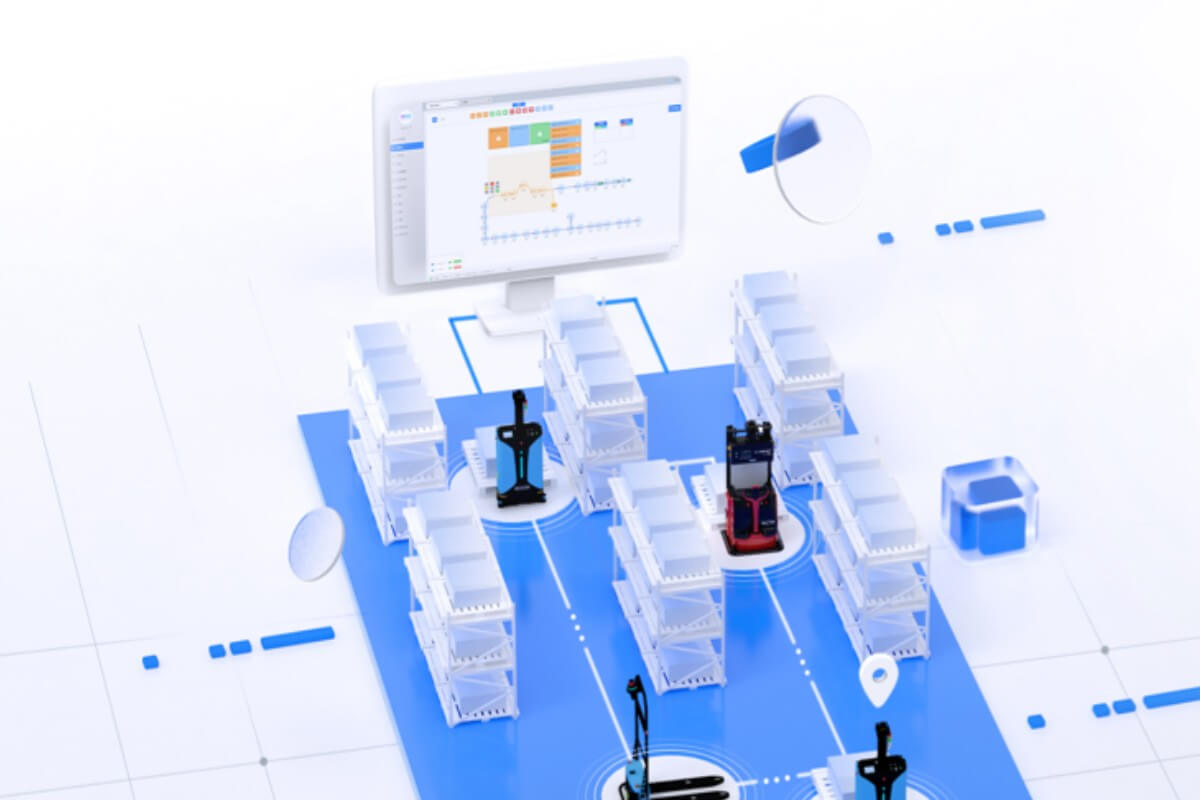
Traditional stacks also bury control in rigid queues. One choke point starves the line while idle robots sit two aisles away. Fine for a demo; not fine in peak season. Add battery drift and power converters hitting different efficiencies, and the fleet feels uneven across a shift. The quiet truth: users don’t want more dashboards. They want fewer urgent pings. They want AMRs that self-balance loads, reconcile maps without night rebuilds, and recover gracefully from hiccups. If a bot loses a sensor for 200 ms, the system should degrade smoothly, not panic. That’s the bar.
Comparing New Principles: From Rule Books to Adaptive Brains
What’s Next
The next wave leans on new principles rather than more knobs. Event-driven microservices decouple map, task, and traffic logic, while a lightweight digital twin simulates route changes before fleets commit. With robotic amr software, the interesting shift is not only smarter path planning, but smarter context: policies that combine sensor fusion, battery state, and aisle congestion in one decision. Standards like VDA5050 reduce vendor lock-in, and 5G URLLC tightens motion feedback loops. Even small touches—predictive charge windows and cooperative yields—turn stop‑start chaos into steady flow. Different vibe from Part 2, sí: here it’s about calm design, not firefighting.
How to compare options without getting lost? Aim for practical signals. First, resilience: does the stack degrade gracefully when Wi‑Fi flickers, LiDAR gets dust, or an edge node restarts? Second, adaptivity: can it retune traffic rules on the fly and update maps without hard downtime? Third, orchestration depth: does it balance tasks across zones, not just nearest bot, and expose clean APIs for WMS/MES? Bonus points for ROS 2 middleware with clear QoS presets and sane observability. Pick by how it behaves under mess, not by lab benchmarks—funny how that keeps proving true. In short, the winning brain is the one that keeps humans out of “urgent” mode and fleets out of deadlocks. For a deeper look at these patterns—grounded, not hyped—see SEER Robotics.